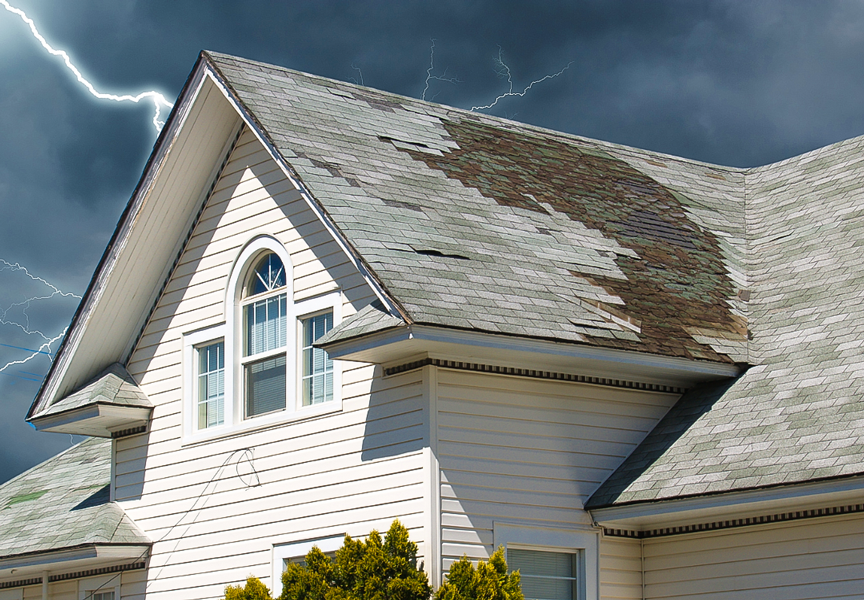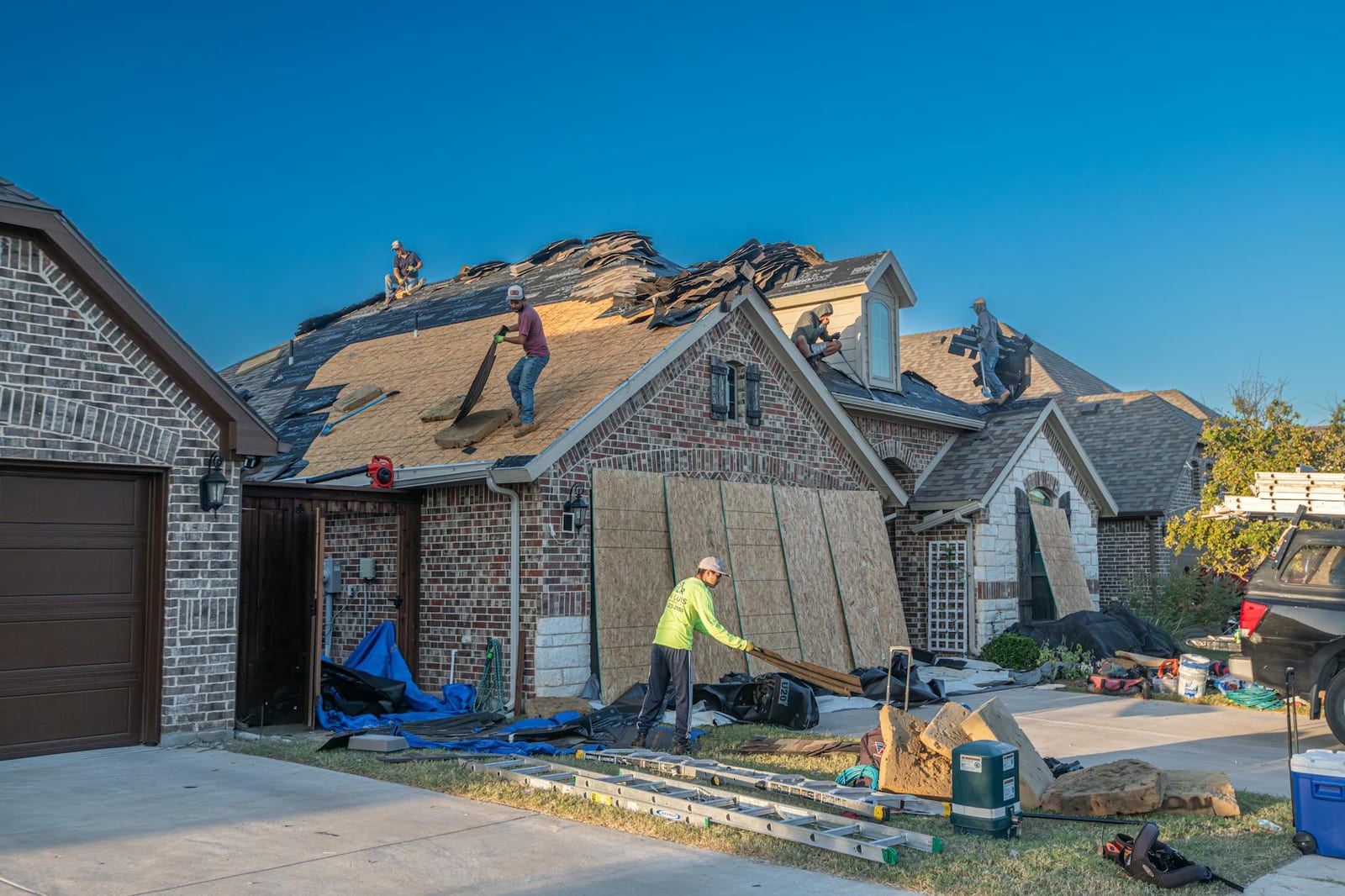

Filing a Roof Insurance Claim After Storm Damage in Maryland
Most homeowners leave money on the table when filing storm damage claims. Here is the step-by-step process a public adjuster follows.

To file a roof insurance claim after storm damage in Maryland, photograph everything before you call, report the loss to your carrier within the policy window (often 30 to 60 days), then get a licensed roofer or public adjuster on site for the adjuster inspection. That one inspection sets the scope of loss and decides most of what your claim is worth. The first offer is almost never the full amount your policy owes you.
A bad storm blows through Frederick County and the next morning you are picking shingles out of the yard and staring at water spots on the ceiling. Most homeowners call their insurance company, take whatever the adjuster offers, and move on. That is usually a mistake. The Insurance Information Institute reports that wind and hail account for the largest share of homeowners insurance claims by frequency, and the National Oceanic and Atmospheric Administration (NOAA) logs the United States averaging more than 20 separate billion dollar weather disasters per year in recent years. Carriers run these claims at volume, and the first number they put in front of you is built to close the file fast, not to make you whole.
Here is the same step-by-step process a licensed Maryland public adjuster follows to get storm damage claims paid in full.
Storm Damage Claims in Maryland and Northern Virginia at a Glance
Maryland and the Northern Virginia suburbs sit in a corridor that catches spring and summer hail, the fall remnants of tropical systems, and the occasional derecho. Frederick County roofs take the worst of the freeze and thaw swings. Loudoun and Fairfax homes tend to get the heaviest hail rolling in from the west between April and August. The Insurance Institute for Business and Home Safety (IBHS) consistently ranks wind and hail among the costliest perils for residential roofs, and that is exactly why carriers pick these claims apart so hard.
| Claim step | What to do | Common mistake |
|---|---|---|
| Document damage | Photograph roof, interior, and debris with date stamps | Cleaning up before photos are taken |
| Open the claim | Report within the policy window, log every call | Accepting a settlement on the first phone call |
| Get representation | Have a licensed roofer or public adjuster on site | Letting the insurance adjuster inspect alone |
| Adjuster inspection | Walk the property together, dispute in writing | Trusting a verbal promise to add items later |
| Review the scope | Compare line items to the actual damage | Signing a release before the scope is complete |
| Settle and rebuild | Collect ACV now, recover depreciation after work | Forgetting to claim the depreciation holdback |
How to File a Roof Storm Damage Claim in Maryland
- Document the damage right away. Before you call anyone, get your phone out. Shoot the roof from the ground with a wide lens, then move in close on missing shingles, dented gutters, damaged siding, and debris in the yard. Timestamped photos of hail on the ground are gold during a claim.
- Walk the interior. Photograph ceiling stains, attic moisture, and cracked drywall. Write down the date, time, and rough wind speed. If a weather app tracked hail size in your zip code, screenshot it.
- Get a professional roof inspection. Do not climb on the roof yourself. A licensed roofer will spot hail bruising and lifted shingles you would miss, usually within 48 hours of a storm and at no cost.
- Open the claim with your carrier. Call and write down the claim number, the adjuster name, and the date of every conversation. Keep a running log so your notes match theirs.
- Do not agree to anything on the first call. Tell them you want the damage professionally inspected before you talk about the scope of loss. That is your right under every Maryland homeowners policy.
- Bring your own representation to the inspection. Have your roofer or public adjuster on site when the insurance adjuster shows up, so the scope gets documented from your side, not just theirs.
- Review the scope of loss line by line. Match every item on the carrier estimate against the actual damage and your contractor’s bid before you sign anything.
- Collect the settlement in two parts. Take the Actual Cash Value payment now, finish the work, then send in final invoices to recover the depreciation holdback.
Step 1: Document the Damage Before You Touch Anything
Photos taken before any cleanup are the backbone of a good claim. Shoot wide shots that show the whole slope, then move in close on bruised or missing shingles, creased flashing, and dented gutters and downspouts. Get the debris in the yard, the dents in the deck rail, and any hail still sitting on the ground.
Walk the interior too. Every ceiling stain, attic water mark, and cracked drywall seam gets photographed and dated. The Insurance Information Institute notes that water damage is one of the most frequent and expensive homeowners claims, and most of it traces back to a roof breach the owner never saw from the ground. Do not climb up yourself. It is slippery and dangerous, and a trained eye catches hail bruising that a homeowner walks right past.
Step 2: Open the Claim and Watch the Clock
Once you have your photos, call your carrier and open the claim. Write down the claim number, the adjuster name, and the date of every conversation. Insurance companies keep their own notes, so you want yours to line up.
Do not agree to anything on that first call. Tell them you want the damage professionally inspected before you talk about the scope of loss. Timing matters a lot here. Most Maryland and Virginia policies make you report storm damage within 30 to 60 days, and missing that window hands the carrier grounds to deny the claim outright. If a spring hailstorm hit Frederick or a summer derecho rolled through Loudoun, do not wait for the leak to spread before you call it in.
Step 3: Get a Licensed Public Adjuster or Qualified Contractor
This is where most homeowners trip up. They let the insurance company send its own adjuster out first, take the offer, and sign a release. The insurance adjuster works for the carrier, not for you. Their job is to close the file for as little as possible.
A Maryland licensed public adjuster works for you on contingency. They read your policy, flag every line item you are owed, and negotiate straight with the carrier. A qualified storm restoration contractor can stand in for you at the adjuster meeting too, as long as they are licensed and know their way around claims. Our walkthrough of an adjuster storm inspection in Loudoun and Fairfax shows exactly how that meeting plays out.
Step 4: The Adjuster Inspection Decides Most of the Claim
The insurance adjuster will set up a property visit. Your public adjuster or contractor needs to be there at the same time. This part is not optional. If you let the insurance adjuster inspect alone, they write the scope and you are stuck with it.
Walk the property together and point out every damaged spot. Your representative measures, photographs, and documents right alongside them. Any disagreement gets noted in writing on the spot, before anyone leaves. This one meeting usually decides about 80 percent of what the claim is worth.
Actual Cash Value vs Replacement Cost Value
The most important line in your policy is whether it pays Actual Cash Value (ACV) or Replacement Cost Value (RCV). It changes the math on your settlement in a big way, and a lot of homeowners do not learn the difference until the check shows up short.
| Actual Cash Value (ACV) | Replacement Cost Value (RCV) | |
|---|---|---|
| What it pays | Repair cost minus depreciation | Full cost to replace at today’s prices |
| Older roofs | Heavily reduced for age and wear | Far better protection on aging roofs |
| Out of pocket | You absorb the depreciation gap | You recover the holdback after work |
| How you collect | One reduced payment | ACV first, depreciation released after completion |
A lot of carriers now push roofs older than 15 to 20 years onto ACV settlements, which is why roof age matters so much at claim time. With an RCV policy, the carrier cuts the ACV portion first, then releases the held back depreciation once the work is done and final invoices are in. Leave that second payment unclaimed and you are handing the insurer free money.
Step 5: Understand Common Denial Reasons
Carriers deny storm damage claims for a handful of predictable reasons. Know them ahead of time and you can push back.
- Wear and tear. The adjuster says the damage was already there. Counter with dated satellite imagery and prior roof inspection reports.
- Cosmetic damage exclusion. Some policies leave out cosmetic hail damage on metal roofs and gutters. Read yours carefully.
- Matching issues. The carrier may pay only for the damaged shingles, not a full replacement, even when matching shingles are no longer made. Maryland has specific matching guidance worth citing.
- Late reporting. If you waited past the reporting window, the claim can be denied on timing alone.
If a denial letter shows up, do not treat it as final. You have the right to appeal, ask for a reinspection, and file a complaint with the Maryland Insurance Administration. In Virginia, the State Corporation Commission Bureau of Insurance does the same job for Loudoun and Fairfax homeowners. The NAIC publishes complaint and consumer data that backs up your right to fight a lowball decision.
Step 6: Settlement Timeline and Bad Faith
Once the scope is agreed, Maryland law requires the insurer to move quickly on the Actual Cash Value portion after acknowledging the loss, usually cutting the first payment within about 15 days. The depreciation holdback comes after the work is done and final invoices are submitted. Most full claims wrap up within 60 to 90 days from the first call.
If the carrier drags its feet without explanation, lowballs against a documented scope, or goes quiet, that can cross into bad faith territory. Document everything and take it up the line to the Maryland Insurance Administration. The federal disaster picture backs up the urgency: FEMA and NOAA both report that severe convective storms, the wind and hail events that hammer Mid Atlantic roofs, drive a growing share of insured losses each year.
Get Help With Your Maryland Storm Damage Claim
Storm damage claims are stressful and the deck is stacked in favor of the insurance company. You do not have to handle it on your own. Our team has walked hundreds of Frederick County, Loudoun, and Fairfax homeowners through the claims process, from the first photo to the final check.
Frequently Asked Questions
How long do I have to file a roof storm damage claim in Maryland?
Most Maryland homeowners policies require you to report storm damage within 30 to 60 days of the event, though some allow longer. The safest move is to report it as soon as you discover damage, because a late filing gives the carrier grounds to deny the claim on timing alone. Check the duties after loss section of your policy for the exact window.
Should I get my own inspection before calling my insurance company?
Yes. A licensed roofer can identify hail bruising, lifted shingles, and flashing damage that you cannot see from the ground, often within 48 hours of a storm and at no cost. Having that documentation in hand before you open the claim means the scope of loss starts from your evidence, not just the carrier’s adjuster. It is the single best way to avoid a lowball first offer.
What is the difference between Actual Cash Value and Replacement Cost Value?
Actual Cash Value pays the cost to repair minus depreciation for age and wear, so an older roof gets a smaller check. Replacement Cost Value pays the full cost to replace at today’s prices, issuing the ACV portion first and releasing the withheld depreciation after the work is done. Many carriers now move roofs older than 15 to 20 years onto ACV terms, so it pays to know which one your policy uses.
Do I need a public adjuster for a roof storm damage claim?
You are not required to hire one, but a licensed public adjuster works for you on contingency and typically recovers a larger settlement than a homeowner negotiating alone. They read the policy, build the full scope of loss, and negotiate directly with the carrier. For a large or disputed claim, the larger settlement usually more than covers their fee.
What should I do if my storm damage claim is denied?
Do not treat a denial as final. You have the right to appeal, request a reinspection, and supply additional evidence such as dated photos, satellite imagery, and a contractor’s report. If the carrier still will not move, file a complaint with the Maryland Insurance Administration, or the Virginia Bureau of Insurance for Loudoun and Fairfax homeowners.
Storm damage does not wait, and neither should your claim. Contact our team for a free roof inspection, work with our in-house public adjuster team, or learn more about our storm damage restoration services. We do not get paid unless your claim gets paid in full. Call (240) 877-8709 to get started.
Part of the EZ Home Services crew in Frederick, MD, on Maryland and Northern Virginia roofs since 2012. Have a question about your home? Reach out anytime.
Meet the team