What an Insurance Adjuster Actually Looks for After a Storm in Loudoun and Fairfax Counties
A homeowner's playbook for the adjuster visit. What they really photograph, what they quietly ignore, and how to make sure your claim doesn't get lowballed.

After a storm in Loudoun or Fairfax County, an insurance adjuster is mainly deciding whether your roof damage came from this event or from age. They photograph hail bruises in chalked test squares, soft-metal dents on vents and AC fins, granule loss in gutters, wind-lifted shingles, and interior water stains. They look hardest for “wear and tear” they can use to reduce or deny the claim. Knowing what they document, and what they skip, is how you keep the payout fair.
Most adjusters won’t tell you what they’re really looking at. They smile, climb a ladder, snap some photos, and write down a number that decides the next 30 days of your life. We’ve been doing inspections across Ashburn, Leesburg, Sterling, Reston, and Fairfax for more than a decade, and the same thing keeps coming up: what you do in the 48 hours before the adjuster shows up usually matters more than anything that happens during the visit. Here’s the inside view, plus how to prepare and document so your claim gets judged on the storm and not on the calendar.
What an Adjuster Is Really Trying to Prove
The first thing an adjuster wants to settle is whether the damage came from the storm on your claim date or whether it was already there before the policy started. If they can argue “wear and tear,” they can knock out most of the scope.
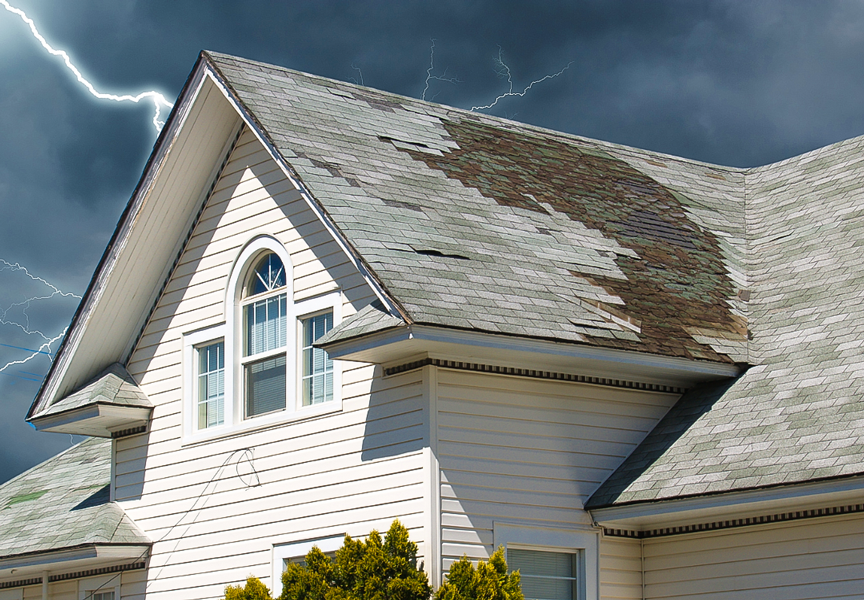
What that looks like in the field: they photograph granule loss in the gutters, study the south-facing slope that weathers fastest here in Northern Virginia, and squint at the shingle tabs to see if the edges are curling from age. According to the Insurance Information Institute, wind and hail are consistently among the largest categories of homeowners insurance losses by both frequency and dollar value, which is exactly why carriers train adjusters to separate fresh storm damage from ordinary aging. The Insurance Institute for Business and Home Safety (IBHS) has documented that hail and wind cause billions of dollars in property losses each year, so the line between “weather” and “wear” is where the money gets decided.
Your job is to have proof ready that the roof was in good shape before the storm: a recent home inspection report, a clean roof tune-up invoice from last fall, even a Google Street View image from 18 months ago showing the shingles lying flat and even.
What Adjusters Photograph vs. What They Tend to Overlook
Adjusters are thorough about the roof itself and a lot less consistent about the backup evidence sitting around the rest of the property. That gap is where good claims get lost.
| Adjusters reliably photograph | Adjusters often overlook |
|---|---|
| Hail bruises inside a chalked 10x10 test square | Dents on AC condenser fins and grill covers |
| Wide shots of each roof elevation | Dimples on metal mailbox tops and light fixtures |
| Confirmed wind-lifted or torn shingles | Bruising on soft-metal gutter aprons and downspouts |
| Granule loss collecting in gutters | Damaged window screens and fascia wrap |
| Vent boots, ridge caps, and flashing | Interior attic water stains on the deck underside |
| Drone or ladder shots of the main slopes | Collateral damage to a deck, fence, or shed |
That right-hand column is the one homeowners forget, and it’s the strongest independent backup you’ve got. Soft-metal damage can’t be pinned on sun or age. If your AC condenser has fresh dimples on the fin coil, that’s a hail-strike record the adjuster can’t argue with. Don’t let anyone talk you into cleaning it up before the inspection.
What the Chalk Test Square Means
When the adjuster chalks off a 10x10 area on your roof, they’re counting hail bruises. Most carriers use a threshold of about 8 to 10 hits per square. Below that, they’ll usually deny the slope. At or above it, the slope gets paid.
The catch: they usually test only one or two squares per slope. If they pick a sheltered spot behind a chimney or dormer, your hits-per-square will read lower than the rest of the roof does. Ask them, politely, to test a second square out in a more exposed area. You’re allowed to do that. Most homeowners just don’t know they can ask.
How to Document Roof Damage Before the Adjuster Visit
Don’t climb up on the roof yourself. Stay on the ground and let the camera do the work. Different kinds of damage need different proof, so match your photos to what the carrier is going to question.
| Damage type | How to document it |
|---|---|
| Hail bruising | Wide elevation shots plus ground photos of dented soft metals with a coin or tape for scale |
| Wind-lifted shingles | Photos of lifted tabs, plus any shingles or debris in the yard with date stamps |
| Granule loss | Close shots inside every gutter run showing granule accumulation after rain |
| Interior leaks | Flashlight photos of fresh water stains on the attic deck and rafters, date stamped |
| Collateral damage | Fence, deck, shed, screens, and gutter aprons with the same storm fingerprint |
The strongest piece of evidence you can bring costs nothing. Pull the weather data for your storm date from the NOAA Storm Events Database, which logs hail size and wind reports by county. A printout showing 1.25 inch hail recorded in your Ashburn or Leesburg zip code on the claim date is worth more than ten roof photos, because it ties the damage to a documented weather event the adjuster can’t dispute.
How to Prepare for the Adjuster Visit: Step by Step
A little prep work turns a 20 minute inspection into a fair one. Here’s the order we walk Loudoun and Fairfax homeowners through.
- Pin down your storm date and the weather record. Confirm the day the storm hit and print the NOAA Storm Events report for your county and zip code.
- Gather proof the roof was sound before. Dig up the last inspection report, a tune-up invoice, or a dated photo showing a clean, flat roof.
- Document everything from the ground. Photograph each elevation, every gutter, the soft metals, and any debris in the yard, all with scale and date stamps.
- Check the attic with a flashlight. Shoot any fresh water stains and any daylight coming through the deck, with the date showing.
- Line up a contractor or public adjuster to be on site. Have a licensed pro ready to climb at the same time as the insurance adjuster.
- Write down your questions. Ask which slopes were tested, how many test squares, and ask for the full scope of loss in writing.
- Take notes during the visit. Jot down names, where the test squares went, and anything the adjuster commits to out loud on the roof.
The Northern Virginia and Frederick County Wrinkle
Loudoun and Fairfax have wind and hail patterns that out-of-state adjusters don’t always get. Northwest-facing slopes in Sterling and Ashburn take the brunt of summer thunderstorm hail because of the way systems track up along the Bull Run Mountains. Southeast slopes in Reston, Vienna, and McLean get worked over by February freeze-thaw cycles. Across the Potomac, Frederick County MD has its own rhythm: a spring and early summer hail season from April through July, then a separate wind-and-ice stretch in winter. That split is why so many Frederick claims come down to whether the damage is from “this storm” or last season.
In an active year, NOAA’s Storm Prediction Center logs hundreds of severe hail and wind reports across the Mid-Atlantic, and FEMA disaster declarations for Virginia storms show how routinely this region gets hit. If your adjuster just transferred in from Phoenix last spring, they may not know any of this. So tell them. A little local context can move the conversation from “wear” to “weather.” For a fuller walkthrough of the whole process, see our storm damage restoration guide and our roof insurance claim and storm damage guide.
Always Have a Contractor or Public Adjuster on Site
This is the single biggest thing homeowners get wrong: they let the insurance adjuster come out alone. Don’t.
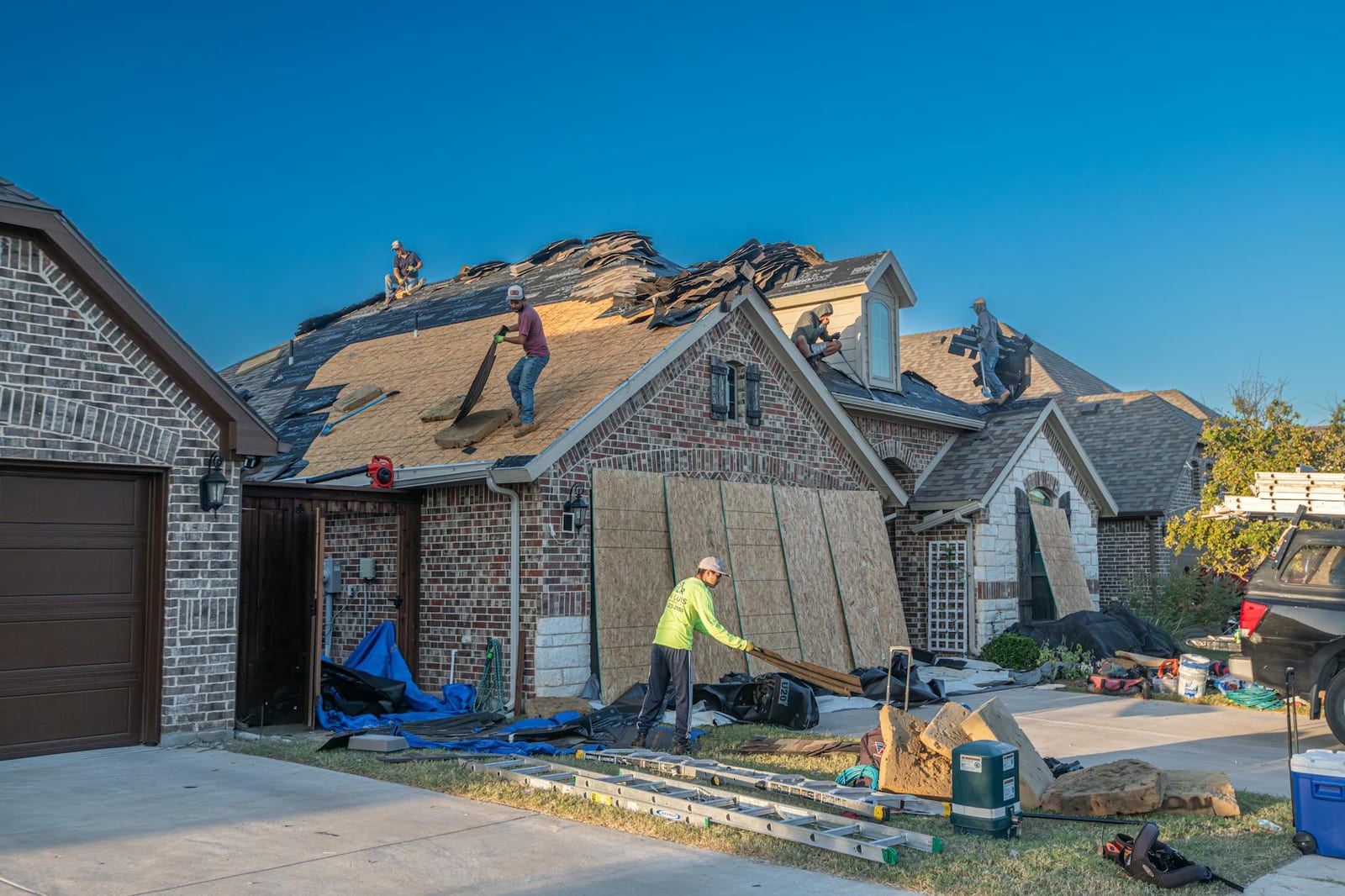
A licensed Virginia roofing contractor or a public adjuster should be up on the roof at the same time as the carrier’s adjuster. They take their own photos, mark their own test squares, and hash out scope items right there. A dispute settled at the inspection is a lot easier to win than one you raise three weeks later over the phone. The National Association of Insurance Commissioners (NAIC) recognizes public adjusters as licensed advocates who work for the policyholder, not the carrier, and on a contested storm claim that balance matters.
After the Inspection: Read the Scope of Loss
Get a written copy of the adjuster’s scope of loss within about 7 days. Read every line. If shingles are listed but underlayment isn’t, push back. If the front slope got paid but the back didn’t, ask why. The first scope is the opening offer, not the final number.
If something feels off, get a second opinion fast. Virginia gives you the right to dispute and ask for a reinspection any time before you sign a release. Keep your own paperwork organized so you can answer a denial with evidence instead of an argument.
Get Backup Before the Adjuster Arrives
First-round denials and underpayments are common on storm claims, and a lot of those decisions get flipped once the homeowner has a licensed pro in their corner with photos, weather records, and a matching scope. The Insurance Information Institute notes that wind and hail drive a large share of homeowner claims nationwide, so carriers look at them closely. What decides the outcome is preparation, not luck.
Frequently Asked Questions
What does an insurance adjuster look for after a storm?
An adjuster is mainly deciding whether your damage came from the storm or from age. They photograph hail bruises in chalked test squares, wind-lifted shingles, granule loss in gutters, and soft-metal dents on AC fins, vents, and downspouts. They look hardest for “wear and tear” they can use to reduce the claim, so corroborating storm evidence is what protects your payout.
How many hail hits per test square does insurance require?
Most carriers use a threshold of roughly 8 to 10 hail hits inside a 10x10 foot chalked test square to approve a slope. Below that, they often deny the slope; at or above it, the slope is typically paid. Because adjusters test only one or two squares per slope, you can politely ask them to test a second square in a more exposed area.
Should I be home when the insurance adjuster inspects my roof?
Yes, and ideally you should also have a licensed roofing contractor or public adjuster on site. Having a professional climb at the same time means damage gets documented and scope items get negotiated in real time. Disputes settled during the inspection are far easier to resolve than ones raised weeks later by phone.
Can I take my own photos before the adjuster comes?
Absolutely, and you should, but stay on the ground rather than climbing the roof. Photograph each elevation, every gutter, soft metals like AC fins and mailboxes, and any attic water stains, all with date stamps and a coin or tape for scale. Then pull the NOAA Storm Events record for your storm date to tie the damage to a documented weather event.
What if my storm damage claim in Loudoun or Fairfax gets denied?
A first denial is not the end. In Virginia you have the right to dispute the decision and request a reinspection before you sign any release. Respond with organized evidence: weather records, dated photos, soft-metal damage, and a contractor’s matching scope of loss, and bring in a public adjuster if the carrier won’t move.
If a storm just rolled through Loudoun, Fairfax, Prince William, or Frederick County, get backup before you call your insurance company. Contact us for a free pre-inspection so you know exactly what’s on your roof before the adjuster shows up, learn how a public adjuster can level the field on a contested claim, and see our full storm damage restoration process from inspection to final payout.
Part of the EZ Home Services crew in Frederick, MD, on Maryland and Northern Virginia roofs since 2012. Have a question about your home? Reach out anytime.
Meet the team