Maryland Solar Tax Credit 2026: Homeowner Guide
Federal tax credit is 30 percent through 2032 and Maryland adds state incentives on top. Here is how to claim both.

Maryland homeowners can stack several solar incentives in 2026: the federal Residential Clean Energy Credit (a percentage of your installed system cost), Maryland Energy Administration grants, Solar Renewable Energy Certificates (SRECs) you can sell, and one of the strongest net metering programs in the country. Together these can cut the real cost of going solar substantially, but the exact percentage and deadlines change, so confirm current figures before you sign anything.
This is educational information, not tax advice. Tax credits, grant amounts, and program deadlines change. Please confirm the current credit percentage, dollar amounts, and expiration dates with a qualified tax professional, the IRS, and the Maryland Energy Administration before you rely on any number here.
Going solar in Frederick County, Maryland comes down to a handful of separate programs rather than one big rebate. Each one has its own provider, its own paperwork, and its own timeline, which trips up a lot of homeowners. We’ve walked plenty of customers through it, so here is a plain English guide to what each program does, how the pieces fit together, and the steps to claim them. It’s written for homeowners across Maryland, Northern Virginia, and DC.
The Incentive Stack at a Glance
Solar savings in Maryland come from four main sources. The table below shows who provides each one, what it covers, and where you actually claim it. Use the descriptions as a starting point and check the current details with each provider.
| Incentive | Who provides it | What it covers | Where to claim |
|---|---|---|---|
| Residential Clean Energy Credit (federal ITC) | IRS / federal government | A percentage of total installed system cost, including panels, inverters, racking, labor, permits, and qualifying battery storage | IRS Form 5695 with your federal tax return |
| Maryland Residential Clean Energy Grant | Maryland Energy Administration (MEA) | A flat cash grant for qualifying residential solar installations | MEA online application after final inspection |
| SRECs | Maryland SREC market / aggregators | Tradable certificates earned for the electricity your system generates | Sold through an SREC aggregator or broker |
| Net metering | Your electric utility (Potomac Edison, BGE, Pepco, and others) | Bill credit for excess electricity your panels send to the grid | Utility interconnection agreement |
The Federal Residential Clean Energy Credit (ITC)
The federal Residential Clean Energy Credit, often called the solar ITC, is usually the biggest single piece. It’s a percentage of your total installed system cost that comes off your federal income tax. Under recent law the credit has been set at 30 percent, with a scheduled step down in later years, but those percentages and expiration dates have moved before. Check the current rate and end date directly with the IRS or your tax professional. Don’t assume the figure you read online still holds.
The credit generally covers the gear and the work to install it: solar panels, inverters, mounting hardware, electrical work, permitting fees, sales tax on the equipment, and qualifying battery storage above a minimum capacity. You claim it by filing IRS Form 5695 with your federal return for the year the system is placed in service.
Here’s a detail that catches people off guard. The ITC is a nonrefundable credit. It can knock your federal tax bill down to zero, but the IRS won’t cut you a check for whatever is left over that year. Unused credit generally rolls forward to future tax years, so a lot of homeowners capture the full value over two or three returns. Your tax professional can tell you how the carryforward works in your case.
Do you have to own the system?
To claim the federal credit you generally need to own the system, either by buying it outright or with a solar loan. Leases and power purchase agreements (PPAs) usually don’t qualify for the homeowner, because a third party owns the equipment and claims the credit instead. If keeping the incentives in your name matters to you, talk through ownership versus a lease before you sign anything. Our financing options page explains how a loan keeps the credit yours while spreading the cost out.
Maryland Energy Administration Grants
The Maryland Energy Administration (MEA) has long offered a residential solar grant: a flat cash rebate, separate from any tax credit, paid out after your system passes final inspection and is interconnected with your utility. Since it’s a grant and not a credit, you don’t need a tax bill to benefit from it.
Two things to know about MEA programs. First, the grant amount and the rules are set each fiscal year and can change, so check the current figure on the Maryland Energy Administration website before you count on it. Second, MEA funding is usually first come, first served, and it can run out before the fiscal year ends. Apply as soon as your system is up and running. A good Maryland installer usually puts the application package together for you, which generally includes your signed contract, proof of interconnection, and photos of the finished install.
SRECs: Getting Paid for the Power You Make
This is the one most new solar owners have never heard of. In Maryland, your system earns one Solar Renewable Energy Certificate (SREC) for roughly every 1,000 kWh of electricity it makes. Utilities buy these certificates to meet the state’s renewable portfolio standard, so you can sell yours on the Maryland SREC market for extra income.
SREC prices move with supply and demand and have bounced around over the years, so there’s no fixed payout. A home system produces a handful of SRECs a year, and most homeowners never deal with the process directly. An SREC aggregator registers your system, tracks production, and sells the certificates for you, usually every quarter. Ask your installer which aggregator they work with and what cut the aggregator takes before you sign up.
Net Metering in Maryland
Maryland has one of the strongest net metering policies in the country, and it’s the incentive that does the most to shrink your monthly bill. When your panels make more electricity than your home is using, the surplus flows back to the grid and earns a credit on your account. At night or on cloudy days, you pull that credited power back.
Net metering runs through your electric utility, which around here usually means Potomac Edison in much of Frederick County, BGE in parts of central Maryland, or Pepco closer to DC. Credits generally roll forward month to month, and at the end of the annual true up period any leftover surplus gets settled under the utility’s rules. A system sized right for a Frederick County home can offset most or all of a typical year’s electricity use. Check the current net metering terms and the true up schedule with your own utility, since the details differ from one to the next.
How to Claim the Federal Credit and Maryland Incentives
Here’s the order most Frederick County homeowners go in, from first quote to final payout. Use it as a roadmap and check each program’s current rules as you go.
- Get a system design and a written quote. Have a licensed Maryland installer size the system to your roof and your electricity use, and get the full installed cost in writing. You can start with a fast estimate using our instant quote tool.
- Sort out ownership and financing. Pick between buying outright and a solar loan, since both let you claim the federal credit. Run the numbers on our financing page so the incentives stay in your name.
- Sign the contract and get the system installed. Hold on to every invoice, permit, and document. The IRS may ask for proof years later if you carry the credit forward.
- Pass final inspection and interconnect with your utility. This step kicks off net metering and is a must before the MEA grant.
- Apply for the Maryland Energy Administration grant. Send in the MEA application as soon as the system is up and running, since funding is limited each fiscal year. Your installer usually handles the paperwork.
- Register for SRECs. Sign up with an SREC aggregator so your certificates start getting tracked and sold.
- File IRS Form 5695 with your federal return. Claim the Residential Clean Energy Credit for the tax year the system was placed in service, and work with a tax professional on any carryforward.
What Solar Looks Like for a Frederick County Home
Every home is different, so rather than promise a single dollar figure, it helps to know which programs hit your wallet and when:
- Up front: the federal ITC cuts your federal tax bill for the year the system goes live, with any excess carrying forward.
- Within a few months of install: the MEA grant lands as a cash rebate, depending on current program funding.
- Every year afterward: SREC sales add periodic income, and net metering credits cut or wipe out your monthly electric bill.
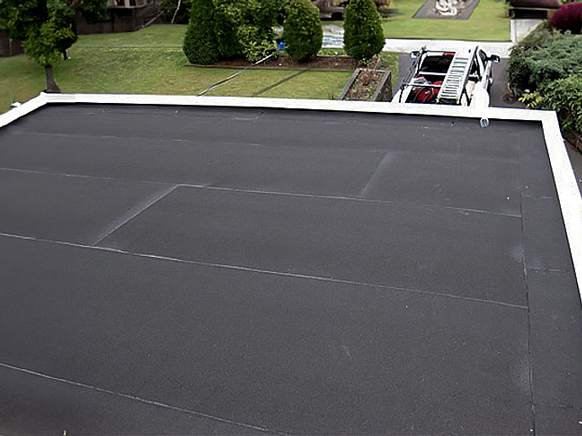
Since the federal percentage, the MEA grant amount, and SREC prices all change, the only way to get real numbers for your address is a system design tied to your actual roof and utility. Solar also pairs well with other exterior work. If your roof is near the end of its life, replacing it before the panels go up saves you a costly removal down the road, and our exterior services team can look at the whole picture.
Frequently Asked Questions
What is the federal solar tax credit in 2026?
The federal Residential Clean Energy Credit lets you claim a percentage of your installed solar system cost against your federal income taxes, and it has recently been set at 30 percent. Tax law changes, so the exact percentage and expiration date should be confirmed with the IRS or a tax professional. You claim it on IRS Form 5695 for the year your system is placed in service.
Does Maryland have a state solar incentive on top of the federal credit?
Yes. The Maryland Energy Administration has offered a residential solar grant, a cash rebate paid after your system is installed and interconnected, separate from the federal tax credit. The grant amount and rules are set each fiscal year and funding is limited, so confirm the current figure with the Maryland Energy Administration and apply early.
What are SRECs and how much are they worth in Maryland?
SRECs, or Solar Renewable Energy Certificates, are certificates you earn for the electricity your panels generate, roughly one per 1,000 kWh. You can sell them to utilities on the Maryland market, usually through an aggregator who handles the sales for you. Prices move with supply and demand, so the per certificate value changes over time.
Can I claim the solar tax credit if I lease my panels?
Generally no. The federal Residential Clean Energy Credit goes to whoever owns the system, so with a lease or power purchase agreement the third party owner claims it instead of you. If you want the credit in your own name, a cash purchase or a solar loan is usually the way to keep it. Confirm the specifics with a tax professional.
How does net metering work in Frederick County, Maryland?
Net metering credits your utility account when your panels send extra electricity to the grid, and you draw that credited power back when the panels are not producing. In Frederick County this runs through utilities such as Potomac Edison, with credits rolling forward and settling at an annual true up. Terms vary by utility, so confirm the current rules with your provider.
Want to see what solar could look like on your own roof and utility? Get a fast estimate with our instant quote tool, or contact us today at (240) 877-8709 and we’ll walk you through the incentive stack with honest, up to date numbers for your Frederick County home.
Part of the EZ Home Services crew in Frederick, MD, on Maryland and Northern Virginia roofs since 2012. Have a question about your home? Reach out anytime.
Meet the team